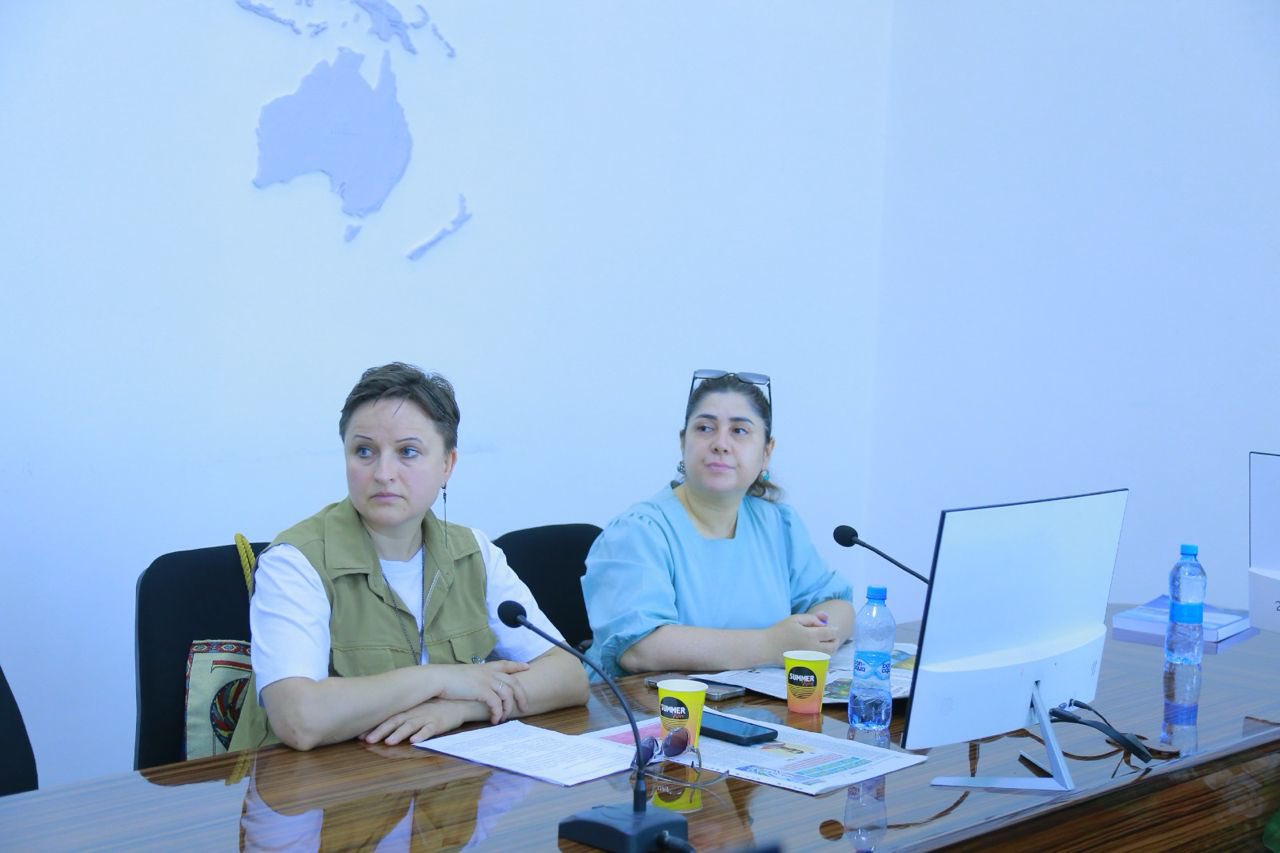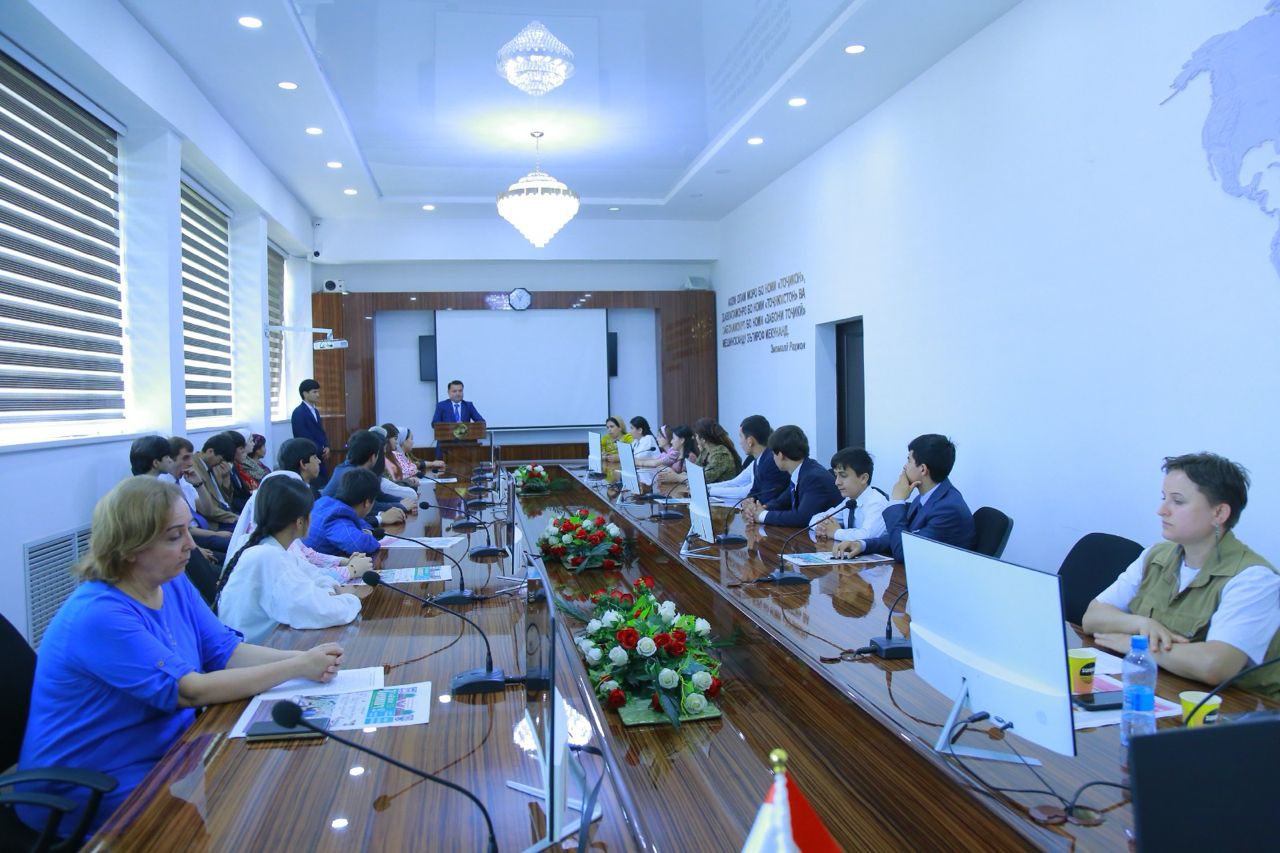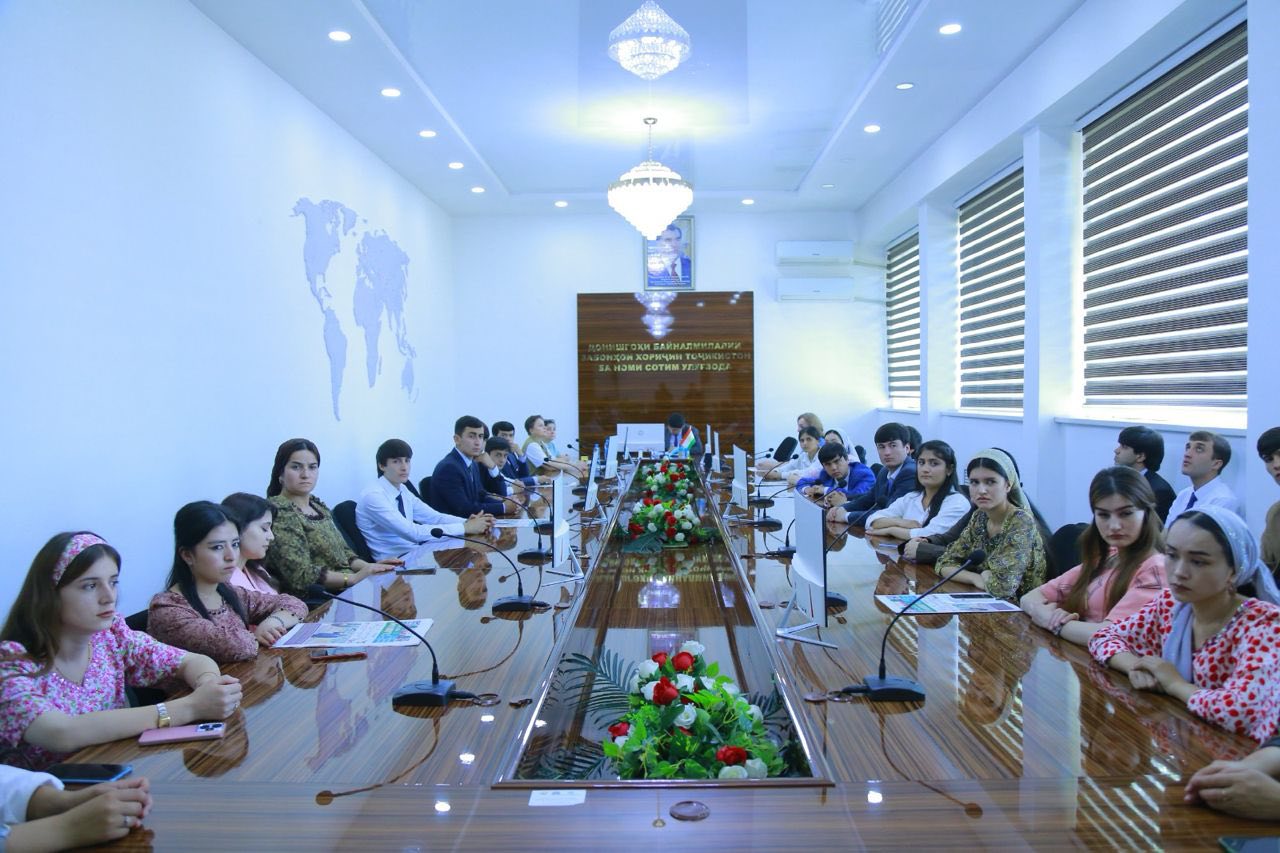
At the S. Ulughzoda International University of Foreign Languages of Tajikistan, the international scientific-practical conference entitled “Journalism and Information Policy in the Context of Global Digital Security Threats” continued its work, bringing together scholars, researchers, experts, and representatives of the journalism sector from both domestic and international institutions.
It is worth noting that the conference’s academic sessions were held on May 15–16 within three thematic sections: “The Role of Journalism in Safeguarding Information Security in the Era of Globalization,” “Global Digital Security Threats and the Role of Social Media in Information Warfare,” and “Opportunities and Challenges for the Development of Tajik Journalism in the Digital Environment.” During these sessions, participants analyzed key issues of the modern information space, the impact of digital technologies on media activities, and effective approaches to countering information threats.
During the panel discussions, Candidate of Political Sciences and Deputy Editor-in-Chief of the newspaper Sadoi Mardum, Abdullo Daler Abdullo, delivered a presentation titled “Information Security, Politicization of Journalism, and Ideological Resistance: Content, Essence, and Characteristics,” in which he examined both theoretical and practical aspects of information resistance in contemporary conditions.
Additionally, second-year postgraduate researcher at the Tajik-Russian Slavic University, Elena Viktorovna Batenkova, presented on “The Practical Specifics of Journalistic Work under the Influence of Artificial Intelligence and the Internet,” discussing how artificial intelligence and digital technologies are transforming journalists’ professional activities.
Continuing the conference proceedings, Associate Professor and Head of the Department of Oriental Language Teaching at the S. Ulughzoda International University of Foreign Languages of Tajikistan, Nuriddin Sultonhaydarov, delivered a presentation titled “National Identity in the Age of Digital Technology and Artificial Intelligence: Threats and Opportunities,” highlighting issues related to preserving national and cultural values in the digital environment.
During the exchange of views, conference participants emphasized that in the context of rapidly developing information and communication technologies, strengthening media literacy, increasing journalists’ professional responsibility, and purposefully utilizing digital opportunities are among the key factors in ensuring information security and maintaining social stability.