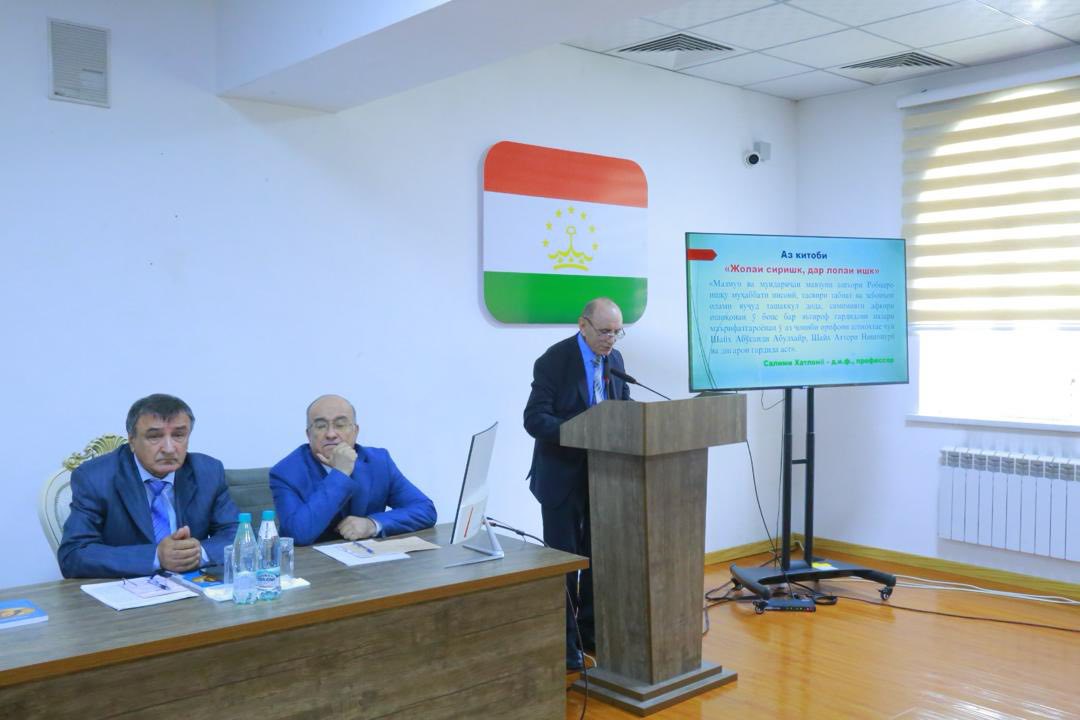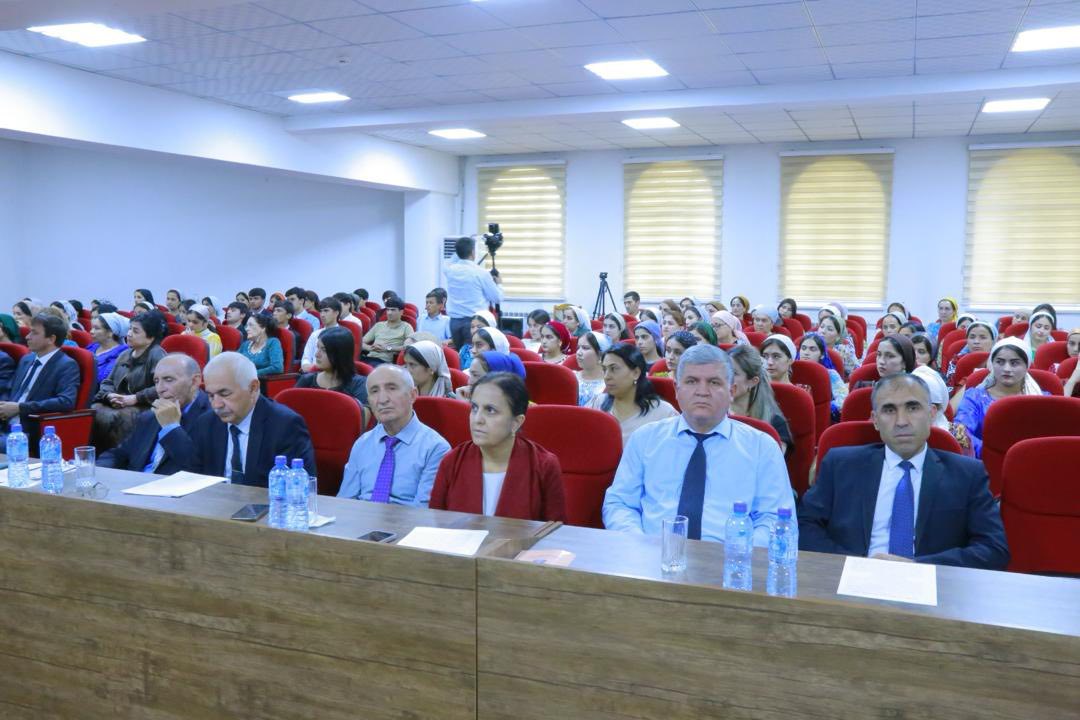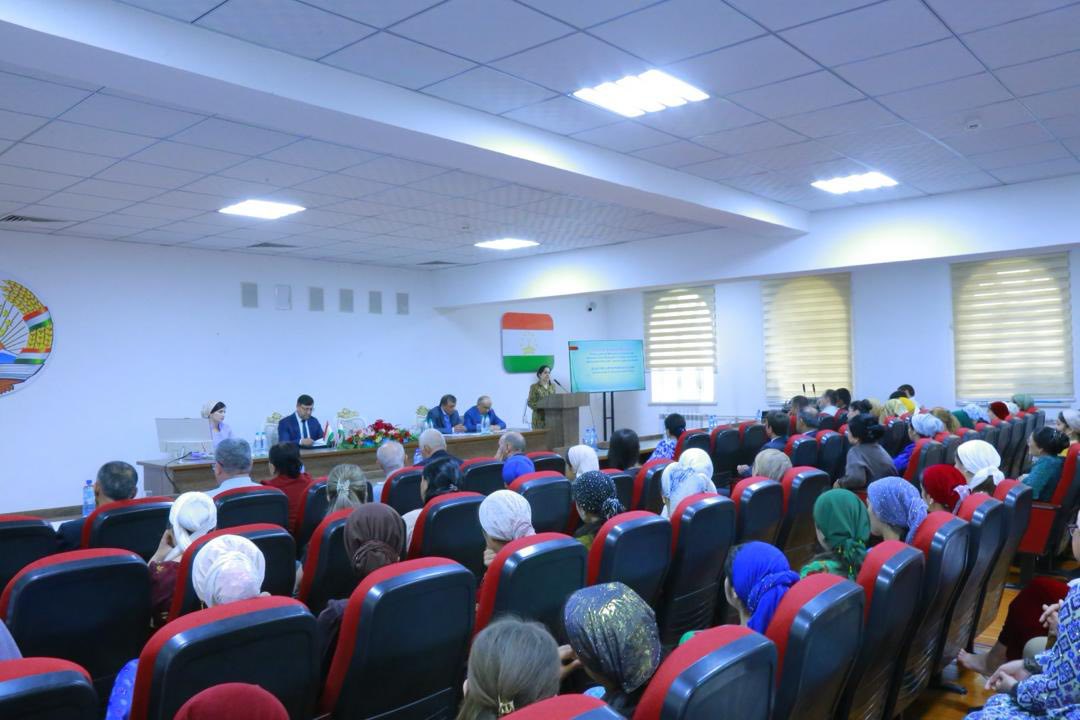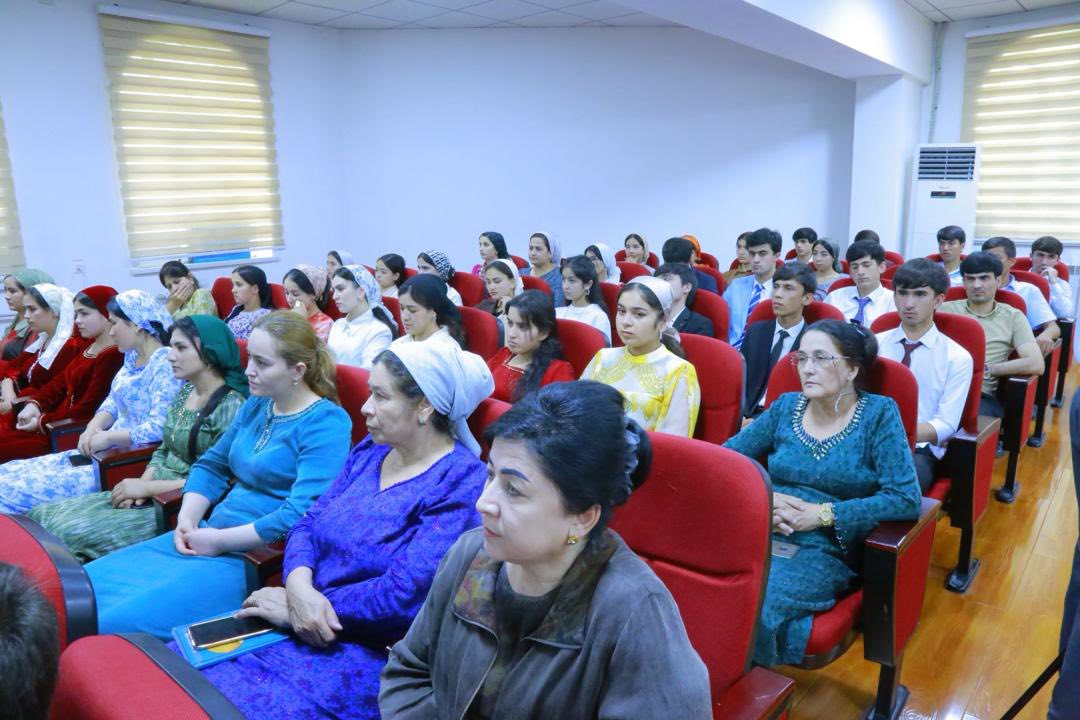
On June 1, 2026, the University hosted a scientific and practical conference entitled “The Status of Rabia Balkhi and the Commemoration of Shaykh al-Ra’is Abu Ali Ibn Sina in Tajik-Persian Literature.”
The conference was opened by the Rector of the University, Doctor of Philological Sciences and Professor Zhilo Gulnazarzoda. In his opening remarks, he highlighted the enduring contributions of the Founder of Peace and National Unity, Leader of the Nation, President of the Republic of Tajikistan, Emomali Rahmon. The Rector noted that it was largely due to the Leader of the Nation’s efforts and initiatives that the legacy of prominent historical figures has been revived and their achievements have gained international recognition. He emphasized that UNESCO’s proclamation of the 1050th anniversary of Rabia Balkhi and the establishment of the International Abu Ali Ibn Sina Prize in Medicine are clear manifestations of the nation-building and civilization-building policies pursued by the Government of Tajikistan.
During the conference, Associate Professor Sayyora Azimova, Dean of the Faculty of Philology and Journalism, delivered a presentation entitled “The Depiction of Nature in the Poetry of Rabia Balkhi.” Doctor of Philological Sciences and Professor Lolo Davlatbekov presented a paper on “Professor Khudoi Sharifzoda’s Perspective on the Structure of Tenth-Century Poetic Couplets and a Poem by Rabia Balkhi.” Both speakers emphasized the greatness of Rabia Balkhi and the lasting value of her literary heritage.
Professor Salimi Khatloni, Head of the Department of Literary Theory and History, presented a paper entitled “The Portrayal of Rabia Balkhi Based on Farid al-Din Attar’s Ilahinama,” while Professor Isrofilniyo Sharifmurod of the same department delivered a presentation on “Poetry and Poetic Creativity from Ibn Sina’s Perspective.”
In addition, Professor Khosiyat Olimi discussed “Important Issues in Avicenna Studies,” and Associate Professor Daler Komilov, Head of the Department of History and Intercultural Relations, shared his views on “The Concept of Human Foresight in Ibn Sina’s Teachings.”
The conference concluded with productive discussions during which participants exchanged views on the profound literary legacy of the tenth-century poetess Rabia Balkhi and the enduring achievements and intellectual greatness of Abu Ali Ibn Sina.
The conference continued its work in separate sections, creating a productive academic environment for the exchange of experience and new ideas.
It is also worth noting that during the event, participants discussed the newly published collection “Tears of Dew in the Tulip of Love,” dedicated to the works of Rabia Balkhi and prepared by the faculty members of the Department of Literary Theory and History.